
And what can be done about it
Hair thinning is a common concern for women as they age, especially after menopause, but it’s not something you should automatically dismiss as getting older.
While some hair loss is a normal part of aging, it can also be linked to underlying health conditions, medications, nutritional deficiencies, stress or other treatable issues. The good news is that in many cases, the cause can be identified and sometimes successfully treated.
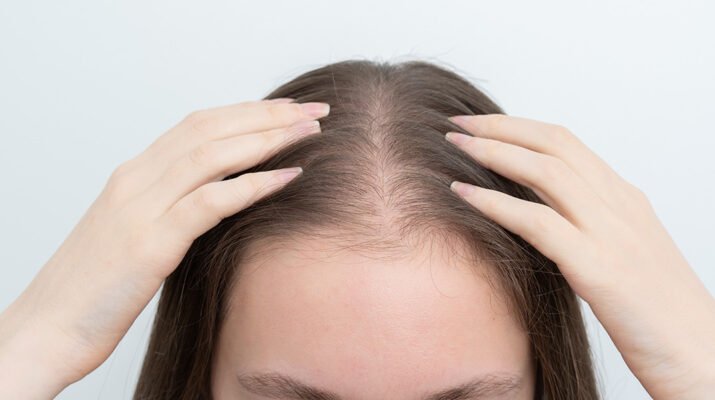
• Aging changes — One of the most common causes of thinning hair in older women is female pattern hair loss, also called androgenetic alopecia. It usually appears as gradual thinning on the top of the scalp or a widening part, rather than bald patches. After menopause, declining estrogen levels can affect the hair growth cycle, causing strands to become finer, grow more slowly and shed more easily over time.
• Possible causes — But hormones and aging aren’t the only explanations. Hair loss can also follow a major illness, surgery, COVID-19 infection or a period of significant stress. In these cases, shedding often begins a few months later and may improve on its own.
Other possible causes include thyroid disorders, iron deficiency, poor nutrition, autoimmune conditions, and scalp disorders.
Medications can also play a role. Drugs such as blood thinners, antidepressants, beta blockers, cholesterol medications, thyroid treatments, arthritis drugs and some hormone therapies have all been linked to hair loss in some people. If you suspect a medication may be involved, don’t stop it on your own — ask your doctor about alternatives.
• Get checked — Because there are so many possible causes, the first step is getting a proper evaluation. See your doctor or a dermatologist if you notice sudden shedding, rapid thinning, bald patches, or scalp itching or pain. They may review your medications, examine your scalp, and order simple blood tests to check for problems such as thyroid imbalance or iron deficiency.
• What helps — Treatment depends on the cause. If an underlying condition such as thyroid disease, iron deficiency, medication side effects, or poor nutrition is identified, treating it may help restore hair growth.
For older women with age-related female pattern hair loss, the treatment with the best evidence is topical minoxidil (Rogaine), available over the counter. It can help slow thinning and stimulate some regrowth, but results take several months and continued use is needed to maintain any benefit. Some women who don’t respond may be candidates for low-dose oral minoxidil, which is an off-label treatment and requires medical supervision because of possible side effects.
Be cautious with hair-growth supplements. Unless you have a true deficiency, products such as biotin usually provide little benefit and can interfere with certain lab tests, including thyroid and some heart tests.
Gentle hair care and cosmetic options can also help. Avoid harsh chemical treatments, tight hairstyles that pull on the hair, and excessive heat from blow dryers or styling tools. A fuller haircut, thickening styling products, hair-building fibers that reduce the appearance of thinning spots, or lightweight hairpieces and wigs can also improve appearance and confidence.
Hair thinning in older women is common, but it isn’t always just a normal part of aging. Because it can sometimes signal an underlying medical issue, it’s worth getting checked – especially if it comes on suddenly or worsens quickly. While not every type of hair loss can be reversed, treatment and practical strategies can often slow it down and help you feel better about how your hair looks.