
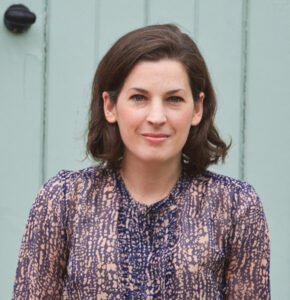
 Elizabeth Dunn is a James Beard Award-winning food and culture writer whose work has appeared in The New York Times, National Geographic, and her own co-written “Consumed” newsletter. In Good Health newspaper recently interviewed her.
Q: Why is America in love with protein?
A: I would argue that, unlike fat or carbohydrate, which have gone through periods of being demonized, people have always pretty much had positive views of protein since we have understood it’s a component of food. It’s always been something associated with strength. It’s always been a high-value food component. The moment when America really got interested in protein was the ‘90s, with the Atkins craze and the South Beach Diet. At that point people started to connect protein with weight control and weight loss.
That just really hit high-gear during COVID-19. Now we’re just finding ourselves in this fever-pitch moment where people are finding protein is a cure-all for I guess anything that can ail you. They associate it with strength and muscle conditioning. They associate it with weight control. Those are things that Americans care about right now.
Q: Do you think we’ll reach a crest for this protein fever?
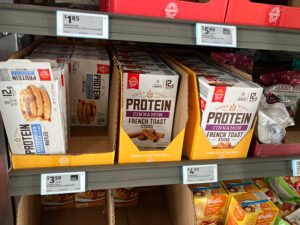
A: I would say we’ve probably already crested and the question is how long do we plateau for? I just don’t know how many more products we can add it to. I think it’s sort of found its way into every grocery item that it can. I do think it’s reached a peak. What’s not clear to me is whether there’s going to be a backlash or how long we can continue with this steady interest and obsession.
 Q: Is it also possible that it will become a regularity, that it will become adapted and adopted to have the norm being more of this protein that’s been added as an additive?
A: Yeah. I definitely think the new federal dietary guidelines advise upping your protein intake. That’s almost doubled. That’s something that will probably encourage more protein consumption in the long term.
We are certainly eating more protein as a culture than we were 50 or 20 years ago. My guess is that will probably continue. I’m not so sure about all the added protein though. I feel more confident that people will continue to prioritize things like meat and eggs, dairy, Greek yogurt, things like that. I’m just not sure that all these products with whey protein added taste good enough or are a good enough value for people to adopt them in the long run.
Q: Is protein profitable?
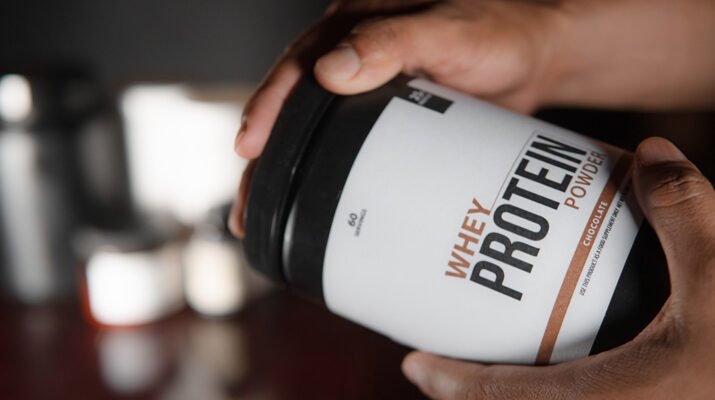
A: It can be. It certainly is for dairy farmers. It used to be that when you made cheese you just ended up with all this whey left over. It’s a byproduct of cheese-making. Now they can sell the whey, dry it down into a powder. That’s a very lucrative and profitable thing for the dairy farmer. For food companies I haven’t seen any data on profitability. I suspect they are able to charge more for their (protein) products than their extra costs, but I don’t know for sure.
Q: Where is this going? Will it phase out? Will there be a new trend?
A: If I had to guess, my guess would be that a lot of these protein-fortified products will not make it in the long term, really largely because a lot of them just don’t taste very good. I think people are just going to get tired of that. And also we’re in a moment right now where people are really sensitive to the cost of food. These protein-enhanced foods are usually more expensive. I don’t know if people will continue to want to pay for them.
The other thing I would say that kind of cuts against the added-protein trend that people are really concerned about is ultra-processed foods. All these foods with proteinadded, like protein ice cream, they’re really, really highly processed foods with a lot of additives. I’m not sure if people are going to continue to want to eat like that.
I’m not sure what the next mega-thing will be after protein. I do think people will continue to prioritize it. If I could wave a magic wand, what I wish people would prioritize instead of protein are whole grains, beans, vegetables. Those are things that when you talk to nutritionists are associated with living a long, healthy life. Unfortunately, when you’re eating tons of steak and chicken breast and bacon and whatever, you’re just not eating those high fiber foods that contain antioxidants and other great things.
Q: How do you eat? What’s your outlook in your everyday schedule and meal plan regarding protein and processed foods?
A: Like any other human on the planet Earth I definitely eat some foods that are processed foods. I have three little kids and so obviously they sometimes eat some processed foods too. I love meat. I probably eat meat every day, but I don’t specifically prioritize meat.
I typically have Kefir for breakfast, which is like yogurt but with a little more probiotic in it. And blueberries. For lunch I might have a salad with some chicken or salmon in it, and maybe some hummus and a piece of bread. For a snack I try to have some nuts, an apple, sometimes I’ll have a cookie with my coffee or tea in the afternoon. For dinner I’m usually eating my kids’ leftovers. It could be the last couple of chicken nuggets left on the tray. If I’m cooking for myself I really like soups and stews.
I’m really just trying to have a well-rounded diet that has as many whole food as possible but not beating myself up about it. It’s really about what your habits are. There’s no such thing as a forbidden food.