
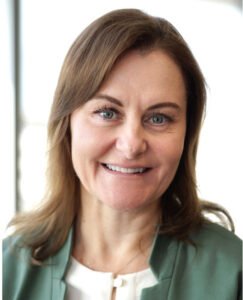
 Chief Nursing Officer, St. Joseph’s Health
With the organization since: February 2025.
In current position since: February 2025.
Education: Doctorate in nursing leadership from Baylor University; master’s degree in business administration; bachelor’s degree in nursing, Western Governers Univeristy; associate’s degree from Central Carolina.
Career Highlights: “Throughout my career, I have been honored with recognitions that reflect my commitment to nursing excellence, leadership, and community impact. I am a DFW G100 recipient and a two-time DAISY Award honoree, acknowledgments that highlight both clinical excellence and leadership influence. I have been published for my work on emergency department throughput, focusing on improving operational efficiency and patient flow. I completed the prestigious AONL nurse executive fellowship, further strengthening my strategic and system-level leadership capabilities. I have also served on the Texas RN advisory board led by Governor Greg Abbott, contributing to statewide workforce and regulatory discussions. In addition to my executive role, I serve as a board member of the (St Joseph’s College of Nursing) SJCON and as an executive leader for the AHA Heart Walk, supporting nursing advancement and championing community health across the region.”
Current affiliations: Members at American Association of Critical Care Nurses, American Hospital Association, American Nurses Association, American Organization of Nurse Leadership, New York Organization for Nurse Leadership, Society of Critical Care Medicine, American Heart Association, St Joseph’s College of Nursing.
Skills that make you an effective leader? “As a leader, I rely heavily on communication, collaboration and strategic thinking. I believe that listening deeply and truly understanding the experiences of our front-line caregivers is what allows me to make informed decisions that support both patients and staff. I also bring a strong commitment to data-driven improvement and a calm, solution-focused approach, which helps guide teams through challenges with clarity and confidence.”
How do you describe your managerial philosophy or approach? “My philosophy centers on servant leadership. I believe my role is to remove barriers, elevate the voices of our caregivers and ensure they have the resources, support and autonomy needed to excel. I lead with transparency and accountability and I strive to create a culture where people feel trusted, empowered and proud of the work they do.”
How do you personally demonstrate leadership and inspire your staff? “I am highly visible and present—rounding regularly, joining huddles, listening to concerns, celebrating wins and acknowledging challenges honestly. I model the professionalism and compassion I expect by treating every team member with respect and gratitude. I also share our “why”—the mission behind our work—so that everyone understands the impact they make on patients and families every single day. Inspiration comes from authenticity and consistency, and I work hard to deliver both.
How do you see the healthcare industry changing in the next few years, and how will you prepare the organization for those changes? “Healthcare is evolving rapidly, particularly in areas of workforce sustainability, digital transformation and value-based care. We will see expanded use of artificial intelligence, greater focus on care access and an increasing demand for integrated behavioral health services. To prepare, we are investing in technology that supports clinicians, strengthening recruitment and retention pipelines, and building adaptable care models that meet patients where they are—whether that’s in the hospital, at home, or through virtual platforms.”
What are your top three priorities for your organization within the next year? Strengthening our nursing workforce, with a focus on retention, professional development and building a culture where people feel seen and valued; improving care quality and safety, through evidence-based practices, enhanced monitoring, and stronger interdisciplinary collaboration; expanding access and patient experience, ensuring our community receives timely, compassionate, high-quality care across all service lines.
How can the healthcare industry in the region be improved? “Regional improvement requires collaboration over competition. By strengthening partnerships among hospitals, community agencies and educational institutions, we can build robust clinical pipelines and ensure seamless care transitions. Investment in mental health resources and rural access is essential. Additionally, supporting healthcare workers—through sustainable staffing models and employee-well-being initiatives—must remain a regional priority if we want to maintain high-quality care.”
Tell us one thing about you that people generally don’t know? “I’m a nurse at heart, and I still carry my first stethoscope with me—it’s a reminder of why I lead the way I do. What many people don’t know is that I love mentoring new nurses and often spend quiet time writing notes of encouragement to staff. It’s my way of staying grounded in the mission and connected to those who make this work meaningful.”