
By Anne Palumbo
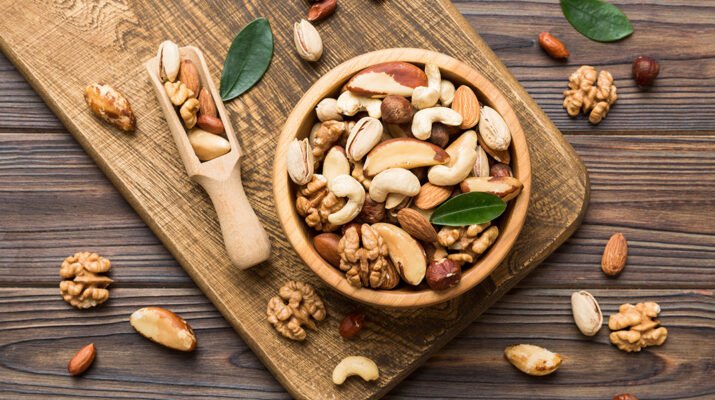
Crunchy and convenient, nuts are associated with a slew of health benefits, from a decreased risk of heart disease and cancer to better cognitive function.
But which nuts are the healthiest?
According to experts, all nuts are healthy, but depending on your need for certain nutrients or health benefits, some may appeal to you more.
For example, peanuts are good for protein, if that’s what you need most, while walnuts, loaded with omega-3 fatty acids, may be your brain’s best friend.
The most nutritious way to eat nuts, say trusted sources, is to consume a wide variety of nuts, which will provide multiple health benefits.
What’s important to remember is that all nuts are rich in healthy fats, protein, fiber and antioxidants, which is why they are highly recommended in the Mediterranean diet and are considered a cornerstone of other healthy eating patterns.
But since nuts are calorie-dense, moderation is key, as in one small handful a day (about 1 ounce or 28 grams).
Nonetheless, as caloric as nuts may seem, research shows that nuts—thanks to their satiating protein and fiber—may be a good option for weight loss and maintenance.
Nuts are easy to add to many foods, from oatmeal to smoothies, salads to stir-fries, breads to desserts and much more. But be sure to read labels carefully: processed nuts can be coated in unhealthy oils, sugar, and salt.
Let’s take a look at eight nuts for better health.
Almonds
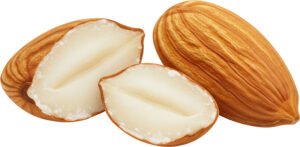 A 1-ounce serving (23 nuts) has:
• 160 calories
• 14 grams fat
• 4 grams fiber
• 6 grams protein
Almonds are packed with vitamin E, a powerhouse nutrient that functions as an antioxidant to protect your cells against factors—such as poor diet, pollution, smoking and stress—that contribute to accelerated aging and life-threatening diseases. This popular nut is also a rich source of calcium, which is essential for healthy teeth and bones, especially as we age because it may help to prevent osteoporosis. Finicky gut? Reach for an almond, the nut with the most fiber: a nutrient that serves as food for the beneficial bacteria in your gut.
Pistachios
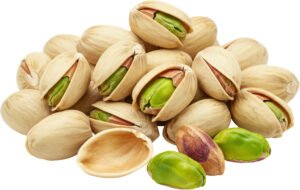 A 1-ounce serving (49 nuts) has:
• 159 calories
• 13 grams fat
• 3 grams fiber
• 6 grams protein
One of the lowest-calorie nuts, dainty pistachios are rich in the antioxidants lutein and zeaxanthin, which are important for eye health and may help protect against age-related macular degeneration. They also have noteworthy levels of vitamin B6, potassium, and phosphorous compared to other nuts, a unique combo that collectively supports nerve health, helps regulate blood pressure, and encourages strong bones and teeth. And, much like other nuts, pistachios may help reduce chronic inflammation, which then helps to lower the risk of chronic diseases (heart disease, diabetes, certain cancers), boost brain function, improve sleep, and more.
Peanuts
 A 1-ounce serving (28 shelled, raw peanuts) has:
• 161 calories
• 14 grams fat
• 2.5 grams fiber
• 7 grams protein
Although technically a legume, peanuts are often eaten like nuts and offer many of the same nutritional benefits as tree nuts. Delivering more protein than any other nut, this popular snack offers significant health benefits. By providing ample protein and fiber, which promote fullness, peanuts contribute to weight management. A healthy weight, in turn, offers significant cardiovascular benefits, from lowering blood pressure and cholesterol to reducing the risk of heart failure. Also, peanuts are a notable source of folate—a B vitamin that is crucial during pregnancy for preventing birth defects.
Cashews
 A 1-ounce serving (18 nuts) has:
• 190 calories
• 13 grams fat
• 1 grams fiber
• 4 grams protein
Mildly sweet cashews, a staple of many trail mixes, deliver a bundle of essential minerals, especially copper, magnesium, zinc, iron and phosphorous. Altogether, the minerals play a vital role in several body processes, from immunity to energy production to healthy brain development. Cashews are also a good source of vitamin K, which is important for blood clotting and bone health. And, like many nuts, cashews offer a unique combination of healthy fats, antioxidants, and fiber that help lower cholesterol, regulate blood sugar, and maintain heart health.
Pecans
 A 1-ounce serving (19 halves) has:
• 200 calories
• 13 grams fat
• 3 grams fiber
• 3 grams protein
Feeling sluggish? You might want to reach for some pecans. Boasting a 1-2-3 punch of nutrients that contribute to energy production, buttery pecans are good for your metabolism. Thanks to their protein, healthy fats, manganese and thiamine, pecans help keep you energized by converting food to energy and releasing it slowly, all the while stabilizing blood sugar levels. But that’s not all. Pecan’s high concentration of manganese — 60% of your daily needs — may also help boost bone health, lower inflammation, and promote brain health.
Brazil Nuts
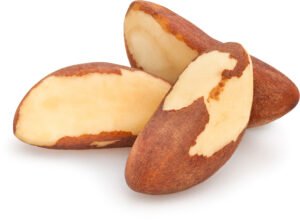 A 1-ounce serving (19 halves) has:
• 60 calories
• 6 grams fat
• Negligible protein and fiber
• 180 micrograms Selenium
Supersized Brazil nuts are loaded with selenium, an essential nutrient that plays a key role in thyroid health. Your thyroid gland, which depends on selenium to make hormones to regulate your body’s metabolism, may falter without enough selenium, leading to fatigue, weight gain, depression and muscle aches. Also, the many antioxidants in Brazil nuts, including selenium, can help boost both brain and heart health, as well as reduce the risk of certain cancers. Note: Consuming too much selenium can be dangerous, which is why it is important to limit your intake of Brazil nuts to one to two daily.
Hazelnuts
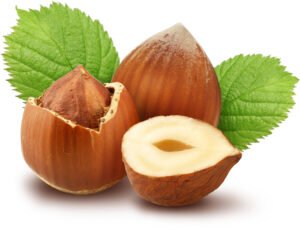 A 1-ounce serving (20 nuts) has:
• 180 calories
• 17 grams fat
• 3 grams fiber
• 4 grams protein
Although hazelnuts are less common in mixed nuts (due to their shorter shelf life), this flavorful nut provides health benefits worth seeking out. Hazelnuts, for example, are among the highest nuts in folate, a crucial B vitamin for heart health and prenatal development. In addition, these slightly sweet nuts are the second-highest nut for vitamin E, a powerful antioxidant vital for skin, eye, and heart health. Lastly, hazelnuts are super rich in proanthocyanidins, a particular type of antioxidant that offers superior protection against cellular damage
and inflammation.
Walnuts
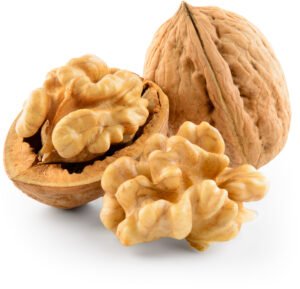 A 1-ounce serving (14 halves) has:
• 185 calories
• 18 grams fat
• 2 grams fiber
• 4 grams protein
Walnuts boast higher levels of omega-3 fatty acids than any other nut. Considered the “good fats,” these plant-based fats can help fight chronic inflammation, which is the root of many diseases. Shaped like a brain and often referred to as the “good-mood food,” walnuts may promote both cognitive and mental health because of their antioxidant and anti-inflammatory properties. Some studies show that walnuts can also reduce your levels of bad cholesterol while increasing the good, which might lower your risk for heart disease and Type-2 diabetes.
 Anne Palumbo is the author of SmartBites, a monthly column about food that’s published in In Good Health newspaper.