
Holing up with your anxiety only makes it worse
By Deborah Jeanne Sergeant
 Everyone experiences stress daily. It’s not all bad. Even good things like a promotion, vacation or new pets bring stress.
But how we mitigate stress can make a big difference.
Turning to substances or screens only dulls the sense.
Exercise is a much healthier option.
“Regular exercise is important for stress reduction,” said Kimberly Whitcomb, a one-on-one personal trainer in Fairport.
And she doesn’t mean just pounding the treadmill and lifting dumbbells at the gym. She added that enjoyable activities like hiking or skiing can also provide stress relief.
While engaging in pleasurable physical activity, “endorphins are released because you enjoy what you’re doing,” Whitcomb said. “When that chemical is released in your body, it reduces stress, relaxes you and improves your mood.
“Also, regular exercise can lower adrenaline and cortisol levels. A lot of times, they’re referred to as ‘stress hormones.’ When lowered it can help you feel calmer and in control,” Whitcomb said.
She added that excessive exposure to stress hormones is linked to greater risk of chronic disease, weight gain, digestive issues, headaches, chronic pain and memory problems.
Sufficient activity can improve sleep and boost energy levels. Whitcomb said that exercising during the daytime can help promote better energy for the rest of the day and activity in the evening promotes better rest.
“It’s all good, no matter what time of day,” she added. “It should have a positive impact on your body.”
She likes how exercise helps her both feel better physically and mentally throughout the day.
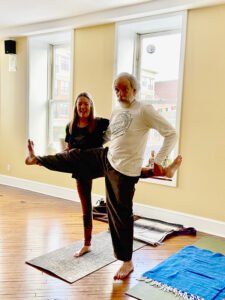
Genevra Petito, owner of Super Girl Fitness in Rochester, is also a yoga instructor. Like Whitcomb, she encourages people to engage in regular exercise to reduce stress.
“Get to an exercise class or form your own movement class,” Petito said. “The act of moving in a community releases bliss chemicals.”
Moving together generates camaraderie and accountability so you can stick with it. Individual movement can help as well. It’s OK to simply get outside and play.
“Be kind and patient with yourself as you learn about how your system likes to regulate,” she added.
In addition, it can help to “put the phone away,” Petito said. “Turn off all beeps, bloops, notifications and dings. Consider taking the addictive apps off and even have a phone detox.”
It may seem like multitasking makes you more efficient but numerous studies indicate the opposite. And constant interruption can promote more stress. The cause of the disruption can also matter.
“For me, a stressor can often come from the phone in the form of an upsetting news story or an irritating social media post,” Petito said. “This creates a release of cortisol which leads to sugar release into the bloodstream. It’s like eating candy without chewing. Over time the sugar really does a number on all of our systems.”
Human interaction is far better for us than apps and scrolling. Petito has a friend who quit social media a few years ago and after moving to a new town, chose to make more friends in person.
“She seems to have learned to cope with the loneliness by getting out and making new friends,” Petito said. “She seems genuinely happy with her life.”
In moments of acute stress, it can help to engage in slow, controlled breathing exercises.
“Place your hands on your lower abdomen and close your eyes,” Petito said. “Feel your breath move into this part of your body. This signals to your nervous system that you are safe.”
Tips for Coping and Management
 April is National Stress Awareness Month, an annual designation since 1992 designed to increase public understanding of the causes and cures for the modern-day stress epidemic. It highlights the negative impacts of chronic stress on physical and mental health while promoting actionable coping strategies like physical activity, meditation, and healthy lifestyle choices.
Here are some tips for coping, according to the American Institute of Stress:
Physical Activity: Regular exercise is a key way to reduce stress, improve mood and boost energy.
Mindfulness and Relaxation: Techniques like deep breathing, meditation and yoga can help calm the mind.
Healthy Habits: Maintain a balanced diet, get adequate sleep and avoid alcohol, nicotine, and drugs.
Social Support: Connect with friends, family or professional counselors to discuss problems.
Organize and Prioritize: Manage your time, set boundaries and learn to say “no” to avoid feeling overwhelmed.