

Although separate disorders, the two overlap and can occur at the same time
By Deborah Jeanne Sergeant

By the time children reach school age, most parents realize if their children have a neurodevelopmental disorder such as ADHD or autism spectrum disorder.
But in children who have both of them, the overlapping and at times contradictory symptoms can make diagnosing confusing, as well as developing coping strategies and educational assistance.
“Autism spectrum disorder — ASD — and attention deficit/hyperactivity disorder — ADHD — are well-known neurodevelopmental conditions that show considerable overlap with each other,” said physician Lou Pellegrino, associated professor of pediatrics at Upstate Medical University Golisano Center for Special Needs. “The prevalence of ASD in children is approximately 3.2% in the general population; the prevalence of ADHD is about 10%. Among children with ASD, the percentage who also have ADHD may be as high as 50-70%. Among children with ADHD, the prevalence of ASD is about 13%. The significant overlap between the two conditions suggest that similar genetic factors may underlie both.”
Because autism is a spectrum disorder, some children are affected so mildly that their traits may be chalked up to individual quirks or the effects of ADHD.
Some of the traits of each disorder can counteract each other, such as feeling easily overwhelmed (autism) while hyperactivity prevents the calming effect of slowing down (ADHD). They may crave adhering to a strict routine (autism) but feel immobilized on beginning a task (ADHD).
“Children with both ASD and ADHD can also be more difficult to help with behavioral and medical treatments,” Pellegrino said. “For example, children with ADHD alone often benefit from medications such as methylphenidate [Ritalin] to help with problems such as decreased impulse control. These same medications, although still considered first-line options for children with both ASD and ADHD, may be less effective in these children. These children are also more prone to medication side effects such as increased irritability than children with ADHD alone.”
Pellegrino wants to see dual diagnosis children to receive a thoughtful, multidisciplinary approach to care, including the ideal educational environment, targeted behavioral interventions and possibly medication for children who need it to help address safety concerns.
Helping parents, teachers and eventually employers understand why people with autism and ADHD act the way they do can create more understanding and extend some much-needed grace in stressful circumstances.
“Finding specialists who have both expertise is difficult,” said physician Chris Lucas, vice chair for hospital psychiatry and medical director of the bio-behavioral health unit at Upstate Medical University. “People may be admitted with fairly unhelpful medication regimens where they’ve previously tried medicines that don’t work well.”
Developing coping skills and strategies such as time management, planning and organization can often prove more helpful than moving immediately to medication. Schools can provide guidance as to support and tools to help. In the workplace, employers must accommodate identified disabilities as long as doing so will not interfere with the performance of the role’s essential tasks. Technology can help, but “it’s a two-edged sword,” Lucas said. “It has reminders to help people get organized, but it’s always a distraction. They may feel they’re multitasking but most studies state that they’re less effective at both.”
A dual diagnosis does not mean that a person cannot succeed, but it can help people better strategize for success.
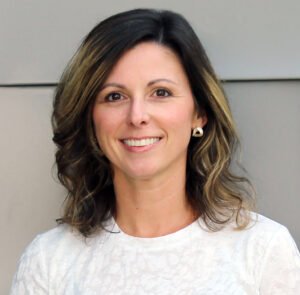
“These work and school settings are highly structured,” said Nicole M. DeRosa, doctor of psychology, licensed behavioral analyst and chief clinical officer at Kelberman in Utica. “Individuals dually diagnosed may experience things like challenging in decision making, time management, impulsivity, emotional regulation and social challenges. We might see those difficulties in school settings. These are both influenced by executive function.”
DeRosa encourages parents to reach out to professionals who specialize in dual diagnosis to help determine which disorder is present and to develop a plan to meet that person’s needs.
“There are a lot of overlapping symptoms,” De Rosa said. “Is it one, the other or both? The presentation and symptoms can look similar so working with a professional can help differentiate is it one or both.”