

Autoimmune illness coccurs in both children and adults. It’s more likely to be acute in children and chronic in adult
By Eva Briggs, MD
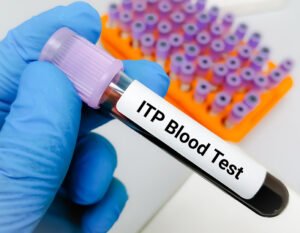 Shortly before the COVID-19 pandemic started, a friend became sick with a disease called idiopathic thrombocytopenia purpura. This is an autoimmune illness where the body makes antibodies that destroy its own platelets. Platelets contribute to blood clotting. When the platelet count drops too low, patients experience abnormal or uncontrolled bleeding.
After the first COVID vaccines were released, a rare side effect was noted where patients developed low platelets and abnormal blood clotting. My friend feared that the vaccine would worsen or reactivate her ITP. The vaccine-induced disorder is called vaccine-induced thrombocytopenia and thrombosis (VITT). I doubt that there have been enough patients with ITP (15-100 per million people per year) who have also received the offending vaccines to determine whether ITP patients have worsening of ITP or a higher risk of VITT. I can understand how scary this was for my friend. Recent studies show that the underlying biologic cause of these two illnesses isn’t the same.
ITP occurs in both children and adults. It’s more likely to be acute in children and chronic in adults. Acute ITP often starts after a viral illness and usually goes away on its own within six months. Chronic ITP lasts longer and no triggering events are known.
Signs of ITP include skin bleeding which causes bruises and petechiae (tiny bruises that look like red dots). Other signs include bleeding gums, nosebleeds and heavy menstrual periods. Cuts and scrapes may bleed persistently. If the platelets drop extremely low, patients can bleed from the gastrointestinal tract or suffer a brain bleed.
There are several possible treatments for ITP. Steroids can be given by mouth or, in severe disease, intravenously. Patients who have Rh-positive blood may be helped by Rho(D) immune globulin. This is the same substance given to Rh-negative mothers during pregnancy to prevent development of antibodies to Rh-positive blood. How it works in ITP isn’t fully understood. Certain immunosuppressive drugs help in treatment resistant cases. Chemotherapy agents have also been used with caution due to the risk of side effects. Additional treatments include intravenous immune globulin (IVIg), drugs that stimulate production of platelets and surgery to remove the spleen.
VITT is very rare, occurring in 1 in 200,000 people exposed to the triggering vaccine. It’s induced by vaccines made with adenovirus used to carry the genes for COVID into the body. It aims to stimulate the body to make antibodies protective against covid. The offending vaccines were by AstraZeneca and Johnson & Johnson. Both of these vaccines have been removed from the market. Currently available COVID vaccines do not use adenovirus vectors and are not associated with VITT.
Although VITT is associated with low platelets, it is characterized by increased abnormal blood clotting, rather than excessive bleeding. There are five criteria for diagnosis:
1. Onset two-42 days following COVID vaccine made with adenovirus.
2. Any clot in a vein or artery, often in the brain or abdomen.
3. Low platelet count.
4. Positive blood test for a substance called PF4 HIT (heparin induced thrombocytopenia).
5. D-dimer blood test more than 4 times normal
Symptoms include easy bruising, bleeding or petechiae; leg pain and swelling; shortness of breath; back pain; abdominal pain; nausea and vomiting; severe headache; vision changes.
So, are ITP and VITT the same thing?
Although both are characterized by low platelets and antibodies directed against platelets, they are two distinct entities.
Recent studies have shed some light on understanding how vaccines made with adenovirus cause VITT. Adenovirus has a protein called pVII. When some people encounter adenovirus, they make antibodies to pVII. In most people this is harmless. But some people have a gene mutation that changes a single amino acid (protein building block) in the antibodies they produce to pVII. When this happens, the antibodies can attack a blood clotting protein called platelet factor 4 (PF4). Adenoviruses are common in the environment. When someone who has been previously exposed to adenovirus, plus has the mutation allowing them to produce anti PF4 antibodies, the covid vaccine can trigger an explosion in anti PF4 antibody production. This leads to VITT. ITP involves different antibodies targeting platelets.
There are many other diseases that lower platelets. It will require a doctor to sort through the various causes and choose the correct treatment.
 Eva Briggs is a retired medical doctor who practiced in Central New York for several decades. She lives in Marcellus.