By Ernst Lamothe Jr.

When the Centers for Disease Control and Prevention rolled out a new vaccine recommendation for parents, it produced just as many questions as answers.
Many were confused on why the recommendations were changed and what it would mean for their child, their insurance policy or interactions with their physicians.
The updates included guidelines on which vaccines to receive and when, reflecting emerging variants of diseases.
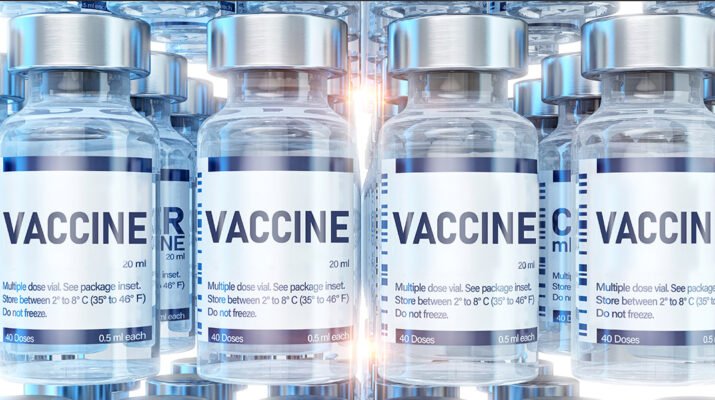
Vaccines work by introducing a harmless component of a virus or bacteria (antigen) into the body, stimulating the immune system. This process trains the immune system to recognize and combat the pathogen if exposed in the future. The immune system produces antibodies and memory cells, leading to long-term protection against specific diseases without causing the illness itself.
Normally, vaccine recommendations in the United States follow a defined process of scientific scrutiny, including presentations by panels of experts, review of vetted relevant literature and subsequent voting by scientists and physicians who specialize in patient care, vaccinology, or immunology. Input from professional medical organizations is also sought.
“The updated recommendations were not arrived at through this established process, nor were they motivated by any new data on the safety or effectiveness of any of these vaccines,” said Katie Anderson, commissioner of health for the Onondaga County Health Department.
What should people know about the new recommendations?
The changes are modeled after the vaccine schedule in Denmark, reducing the number of recommended vaccines from 17 to 11. Vaccines for hepatitis A and B, influenza, COVID-19 meningococcal disease and rotavirus are now excluded from the list of those recommended for all children. The updated schedule has three categories of vaccines; immunizations recommended for all children, immunizations recommended for certain high-risk groups or populations and immunizations based on shared clinical decision making.
“While shared clinical decision-making sounds collaborative—encouraging parental decision following consultation with a healthcare provider—in practice, when vaccines lose their routinely recommended status, many parents may not receive counseling about them at all,” said Commissioner Anderson.
Overall thoughts on the new recommendations?
The American Academy of Pediatrics released its own 2026 vaccine schedule for children, which differs from the CDC guidance. The AAP recommendations closely mirror previous vaccine recommendations, calling for 18 routinely recommended vaccines and have called the CDC’s removal of universal recommendations “dangerous and unnecessary.”
The AAP states, “These changes were prompted by a desire within HHS to align US schedules with those of European nations. However, this overlooks critical differences in healthcare systems. Unlike many European countries with universal healthcare and shared electronic medical records, the US system has significant gaps in access to care and data availability. This results in missed opportunities for testing for example, hepatitis B screening in pregnant women and counseling about vaccination benefits.”
Recommendations often aim to enhance public health by preventing disease outbreaks and protecting vulnerable populations. Ongoing research and education about vaccines should be prioritized to ensure that the public is informed and equipped to make decisions about their health and the health of their communities.
Vaccines importance
Vaccines play a crucial role in public health by preventing the spread of infectious diseases. They help reduce morbidity and mortality, protect at-risk populations and contribute to herd immunity. By vaccinating, individuals not only protect themselves but also prevent the transmission of diseases to others, especially those who cannot be vaccinated due to medical reasons.
“Vaccines are considered one of the most successful public health interventions in history and have been credited with saving millions of lives,” said Commissioner Anderson. “Vaccines introduce weakened, inactive or tiny quantities of proteins from diseases to an individual’s immune system, allowing the immune system to develop antibodies to fight off those diseases and create an immune memory. This memory allows the body to rapidly respond in the event that it encounters those diseases in the future and fight off the infection before it becomes dangerous or by reducing the severity of a disease.”
Explaining to patients
Physicians must approach patient education with empathy and patience, actively listening to their concerns. They must be clear evidence-based information about the benefits and risks of vaccines, using simple language and visual aids if necessary. It’s crucial to address misconceptions, reinforce the importance of vaccination for community health and create a trusting environment where patients feel comfortable asking questions. Engaging with communities, understanding their beliefs and concerns and providing accessible information can help address vaccine hesitancy.
“The major medical organizations have not changed their recommendations related to vaccines. The same vaccines, in the same doses, continue to be recommended as they have been in years past,” said Commissioner Anderson. “There is no new science to make us change those recommendations and the recommendations were the result of robust scientific scrutiny. The same vaccines that were recommended and kept us safe as children continue to be recommended today, in addition to some newer, highly effective vaccines for diseases that previously were fatal or debilitating. These vaccines are incredibly well-studied, safe and I don’t hesitate to recommend them for my own children.”
Misinformation
Vaccine misinformation poses significant risks, leading to vaccine hesitancy and potential outbreaks of preventable diseases. Misinformation can cause fear, confusion and distrust in vaccines, which can diminish herd immunity. It’s essential to counteract misinformation with factual, science-based information and promote trust in healthcare professionals and institutions. It’s important to promote open dialogue about vaccination.
“Vaccine misinformation poses a serious risk to individual and community health. When false or misleading claims spread, they can undermine trust in safe, effective vaccines. This can lead to lower vaccination rates and increased risk of preventable diseases, outbreaks, hospitalizations and even deaths, especially among vulnerable populations,” she added. “Vaccines help protect us from the debilitating effects of diseases, help keep us productive, keep the healthcare system from becoming overwhelmed and help protect those who can’t be immunized due to a young age, weakened immune system or allergies to vaccine components. When large numbers of a population are vaccinated, it helps limit the ability of a disease to spread and can lead to elimination of a disease, as with smallpox.”