

By Deborah Jeanne Sergeant
Promptly treating stroke can help patients have a better chance of recovery. But that often starts with an at-home screening.
The American Heart Association recommends BE FAST as a mnemonic device to easily recall the screening:
B – Balance: Sudden loss of balance, dizziness or difficulty walking can indicate a stroke affecting coordination or the cerebellum.
E – Eyes: Vision changes such as sudden loss of sight in one or both eyes or double vision are warning signs.
F – Face: Facial drooping on one side, uneven smile, or numbness is a common stroke symptom.
A – Arms: Weakness or numbness in one arm or leg; if one limb drifts downward when raised, it is concerning.
S – Speech: Slurred speech, difficulty speaking or trouble understanding others signals a stroke.
T – Time: Immediate action is critical. Call 911 or emergency services without delay, as early treatment significantly improves outcomes.
The BE FAST acronym is a newer screening tool, as previously, it was only “FAST.”
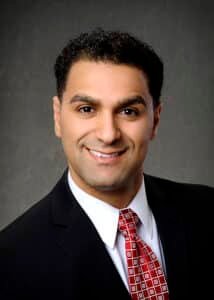
“BE was added to include more patients,” said physician Fahed Saada, board-certified neurologist with St. Joseph’s Health. “BEFAST is a simple tool, a lifesaving tool that helps everyone.”
He added that patients with atypical stroke symptoms — dizziness and eye problems — will be less likely to be overlooked with the additional screening points. Saada said that these issues should be sudden onset to count as stroke symptoms. Of course, many people in the prime age for stroke have balance issues. However, sudden change in gait and walking is important to note. The same is true in the “E” part of “BE FAST.” Most people have near vision loss by midlife. However, abrupt changes signal something going wrong.
“It should be very sudden, noticeable onset,” Saada said. “Gradual onset of numbness with headache building over several hours is very unlikely a stroke. A stroke is a sudden event that happens within seconds. If someone’s working and completely fine and has vision loss in one of their eyes, it’s likely not something else.”
With sudden neurological symptoms, it’s better to err on the side of caution and seek emergency medical care. Saada urges anyone experiencing what they think is a stroke or helping someone who may be having a stroke to immediately call 911.
Calling 911 also ensures that the hospital will be ready to receive the stroke patient. After calling, have the stroke patient sit down. Have a list of medications available for the EMTs. Emergency personnel will also want to talk about when the patient was last normal and when the onset of symptoms happened. As with any ambulance call, ensure the pets are contained to avoid escapees, tripping up the EMTs and dog bites. Clear clutter and ensure there’s a wide path to an outside door. Turn on the porch light.
Taking these measures can help deliver timely stroke treatment.
“Acute stroke requires time sensitive therapy and decisions are based on time from symptoms onset and severity,” said physician Savita Kumari, neurologist St. Joseph’s Health. “Intravenous thrombolysis (IVT) is a mainstay of medical management for patients with AIS. The treatment window for thrombolysis has extended to four and a half hours, and mechanical thrombectomy now benefits patients up to 24 hours with expanded eligibility criteria.

“In addition, the guidelines provide support for extended window thrombolysis for select patients with stroke of unknown onset or four and a half to nine hours from onset using advanced imaging criteria (eg, diffusion weighted imaging-fluid attenuated recovery or perfusion-based mismatch). Tenecteplase has emerged as the preferred thrombolytic agent over alteplase, with FDA approval for acute ischemic stroke in March 2025.”
Joshua Onyan, master of science in nursing and stroke program manager at Upstate Medical University, said that stroke care has advanced significantly in recent years.
“Stroke systems of care now emphasize rapid recognition, pre-hospital notification and coordinated hospital response to minimize “door-to-drug” and “door-to-device” times,” Onyan said. “Advanced imaging techniques also help identify patients who may still benefit from treatment beyond traditional time windows, like specialized MRI tests or AI-powered CT scans.”
But it all starts with awareness of stroke symptoms and screening using BEFAST and as warranted, calling 911 immediately.
“Time is brain and every minute of delay can lead to irreversible damage,” Onyan said. “Early recognition and rapid treatment can dramatically improve recovery and reduce disability. Continued education, streamlined stroke protocols, and public awareness campaigns are key to ensuring patients receive timely, life-saving care.”
May is National Stroke Awareness Month (or American Stroke Month), dedicated to increasing awareness about stroke prevention, symptoms, and treatment. Roughly 80% of strokes are preventable through healthy lifestyle changes, and knowing the F.A.S.T. warning signs — face drooping, arm weakness, speech difficulty, time to call 911 — can save lives.
Key highlights regarding Stroke Awareness Month:
• Purpose: To educate the public that stroke is largely preventable, treatable, and beatable.
• Actionable Warning Signs (FAST or the new term, BE FAST):
• Prevention: Key factors include monitoring blood pressure, eating well, staying active, and controlling diabetes.
• Key Stats: Stroke is the fifth leading cause of death in the U.S., with over 795,000 people experiencing one annually.
Source: www.stroke.org