
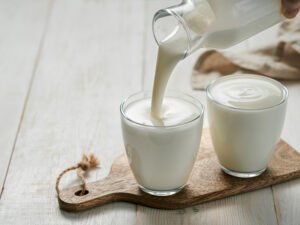
 Raw milk can make children and pregnant people seriously ill, and the nation’s pediatricians want families to know the risks.
The American Academy of Pediatrics (AAP) has updated its policy statement on unpasteurized, or “raw,” milk and the cheese, yogurt and other foods made from it. .
Pasteurization heats milk to a set temperature for a minimum amount of time. That heat kills bacteria, viruses and parasites that once made milk a leading source of food poisoning and infant deaths.
Some people think raw milk is heathier or less likely to trigger allergies. The AAP says those claims are false. Pasteurized milk provides the same protein, fat and vitamins.
Illness outbreaks tied to raw milk have become more common over the past 20 years. Children account for nearly half of those who get sick, the AAP says.
Raw milk can carry germs such as Salmonella, Listeria, Campylobacter and a type of E. coli that can cause hemolytic uremic syndrome, a serious complication more common in young children that can lead to kidney failure or death.
Babies, young children, pregnant people and anyone with a weakened immune system face the greatest danger.
During pregnancy, infections from raw dairy, including listeriosis and toxoplasmosis, can pass to the baby. Listeria can cause miscarriage or serious illness or death in a newborn, the U.S. Food and Drug Administration (FDA) warns. It can harm the baby even when the mother has no symptoms.
For shoppers, the FDA offers simple advice:
Check labels for the word “pasteurized.” If it’s missing, the product may contain raw milk.
At farmers markets and roadside stands, skip milk, cheese and other dairy unless the seller can confirm it’s pasteurized.
Anyone who gets sick after having raw dairy, or who is pregnant and may have had it, should see a healthcare provider right away, the FDA advises.