

By Anne Palumbo
 Fasten your seatbelts, gentle readers, our region’s hottest, most humid season has landed.
And you know what that means: sweat, thirst, more sweat, no appetite, lethargy, irritability…the list is endless!
Does what you eat—or even if you eat—matter during hot weather?
Absolutely, say experts across the board.
Heat can place significant stress on the body, making it more important than ever to make mindful dietary choices.
While most of us know all about sweating and feeling parched when summer descends, what may come as a surprise are some of the other conditions that arise when thermometers pop their top.
During hot, humid weather, for example, the body works harder to regulate its internal temperature. As a result, digestion may slow down, potentially contributing to bloating, cramps or acidity.
Something else to consider: Consuming certain foods may actually worsen dehydration. In fact, urologists often refer to summer months as “kidney stone season” because sweltering weather creates prime conditions for the formation of painful kidney stones when not enough water is consumed.
On the other hand, there are many delicious foods to choose from that support hydration, digestion and nutrient balance—foods that give you energy, keep you cool, lessen sweat and replenish electrolytes; foods that can easily provide the fluid equivalent of an entire 8-ounce cup of water!
Let’s take a look at some of the worst and best foods and drinks we can consume during hot, humid weather, starting with the worst.
Top 5 Worst Foods for Summer
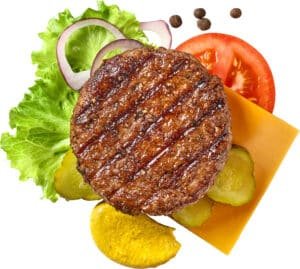
Red Meat
Oh, how we love to toss our juicy burgers, sizzling steaks, and lamb kabobs on the grill now that summer is here. But there’s a catch: heavy proteins (like the meats above) can be harder to digest, especially in extreme heat, which then raises your body temperature. That lawn you wanted to mow? No can do.
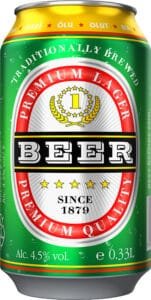 Beer and Iced Coffee
Two popular thirst-quenchers—cold beer and iced coffee—may not be your body’s best friend during hot months. Both alcohol and caffeine act as diuretics, stimulating you to urinate at the very time you need water most.
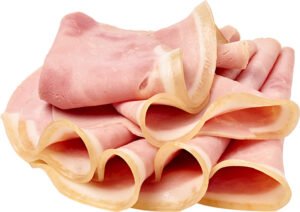 Salty Snacks and Cured Meats
Salty, processed snacks like pretzels and chips, along with cured meats like hotdogs and salami, may also wreak havoc with your system. Although sodium is essential for fluid retention and cellular hydration, consuming foods loaded with salt—without drinking enough water—will pull moisture from your cells, leading to dehydration, intense thirst and even dizziness.
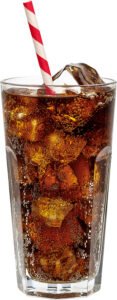 Sugary Drinks and Treats
A refreshing Mountain Dew or a frosty milkshake might sound great when you’re battling summer’s heat waves, but it’s only a quick fix that will leave you hotter than before. Once your body starts digesting and storing all those calories, your temperature will rise. Additionally, high sugar content can worsen dehydration by pulling fluids into your gut. Same goes for treats like cupcakes, cookies, pies, and more.
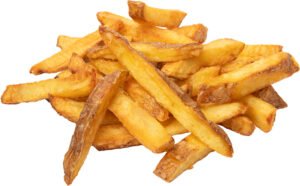 Deep-Fried Foods
While unhealthy, highly processed foods like French fries, fried chicken, battered fish, and doughnuts are rarely easy to digest, they can be particularly difficult to digest in hot conditions. As tasty as they may be going down, foods that are high in unhealthy fats often take longer to break down in the digestive system, which may increase the body’s internal heat production. Put another way: You might want to skip that funnel cake at the state fair in scorching August.
Top 5 Best Foods for Summer
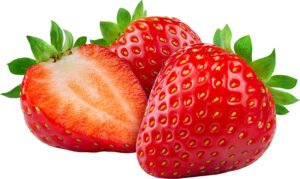 Water-Rich Fruits and Vegetables
Fruits and vegetables are always good for you, but in the stifling heat of summer, some are better than others. Some of the juicy standouts include cucumbers, watermelon, strawberries, and tomatoes. About 1 chopped cup of each equals 1 cup of super-tasty water.
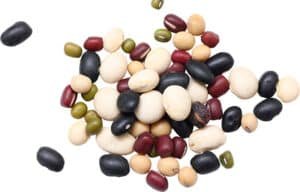 Simple, Lean Proteins
When it comes to lean proteins that are easier for your body to digest in the heat, few foods surpass the bean. Although some people find this protein’s complex carbs and fiber more of a chore to digest, others do not. To make beans as easily digestible as possible, try these strategies: opt for smaller legumes with thinner skins, like lentils, mung beans, and black-eyed peas always soak dried beans overnight; or, use canned for convenience.
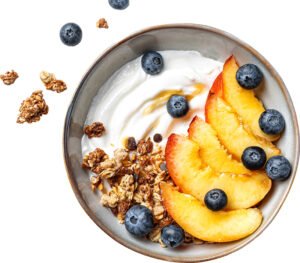 Yogurt and Cottage Cheese
Cool and easily digestible, both yogurt and cottage cheese provide good amounts of lean protein. What’s more, both can be eaten throughout the day, require no preparation, and can be easily paired with hydrating berries or vegetables. Best of all, neither should raise your body temperature like harder-to-digest red meats.
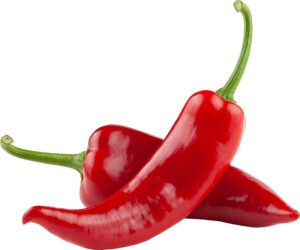 Spicy Foods
As confounding as this may seem, spicy foods are believed to benefit our bodies during summer months. Capsaicin, one of the compounds found in foods like chili peppers, triggers our bodies to sweat, a process that cools us down as the sweat dries. Unfortunately, evaporation doesn’t happen as readily in highly humid areas. A wide variety of products contain capsaicin, from chili peppers to spices (cayenne, paprika, red pepper flakes) to fiery condiments.
 Water, water and more water
Last, but not least, the single most effective food to beat the heat is water. Of course, it quenches thirst and cools us down, but water also aids digestion, prevents constipation, keeps every single cell throughout our entire body functioning properly, and may even prevent kidney stones. Experts suggest six to eight cups daily, depending on your needs. Add fruit slices to boost flavor; or, try electrolyte-rich coconut water.
 Anne Palumbo is a writer based in the Rochester area. She is the author of Smart Bites a monthly column about food, which is published every issue in In Goode Health.