
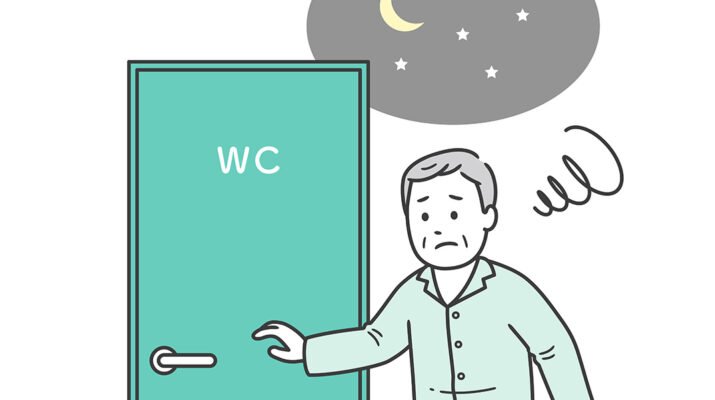
Men experiencing urinary issues can find relief from their symptoms
By Deborah Jeanne Sergeant

Don’t be too quick to chalk up urinary issues to becoming “a certain age” and that’s all there is to it.
Urinary symptoms more likely indicate benign prostatic hyperplasia (BPH), commonly called an enlarged prostate, which may be causing problems. Although it does correlate with older age, men don’t have to put up with BPH.
Urologist Eyal Kord, of Upstate Urology at Oswego Health, said that men with enlarged prostate experience symptoms such as late-night urination, increased urgency or frequency, feeling like the bladder doesn’t empty completely or the urge to “push” or sit down to obtain sufficient pressure for urination.
“If it bothers him, he can visit a doctor to have an evaluation,” Kord said.
Seeing a primary care provider can rule out urinary tract infections or other sources of pain and, as needed, result in a referral to urology. But Kord said that a few signs that may indicate something serious include blood in urine, the sensation of retaining urine after emptying the bladder and abdominal discomfort while urinating.
“Usually we do some evaluations, urine testing and sometimes blood tests,” Kord said. “We may use ultrasound to evaluate the anatomy and see if the patient voids. We have different tests we can do in the office. On the findings, we look at possible treatments.”
Although men with enlarged prostate may worry about prostate cancer, the latter does not usually cause symptoms. Men presenting at a urologist who are 50-plus may be screened for prostate cancer with a blood test.
Enlarged prostate is benign. Kord said that lifestyle changes like reducing caffeine — a bladder irritant — and stopping fluid intake two to three hours before bedtime can help reduce nighttime urination. Sometimes, that’s all that’s needed to relieve symptoms.
“If men continue to have urinary symptoms beyond that, we’re talking about medications to help,” Kord said.
BPH does not have many causal factors. Men experiencing enlarged prostate are likely simply genetically unlucky.
But fortunately, “it’s very treatable and it’s good to rule out any serious causes,” said Casey Donovan, nurse practitioner at Fulton Primary Care.
He said that sometimes the symptoms are worsened by lifestyle factors. In addition to any medical protocols recommended by a healthcare provider, Donovan encourages men adopt a healthful lifestyle.
This can include becoming more active, maintaining a healthy weight, minimizing foods high in sugar or unhealthful fats, quitting smoking and excessive alcohol and not allowing comorbidities to go unmanaged such as diabetes or heart disease.
When other approaches have not proven effective, surgical options can include removing or pushing aside excess prostate tissue or opening the urethra for better urine flow by using surgical incisions or laser therapy.
Reduce the Effects of BPH
Supplements and healthful foods may help reduce the effects of BPH. Medicalnewstoday.com recommends:
• Saw palmetto
• Rye grass pollen
• Stinging nettle
• Pygeum africanum
• Lycopene (an antioxidant naturally occurring in pink or red produce)
• Green tea
• Zinc (found in poultry, seafood, pumpkin seeds and sesame seeds)
• Soy (found in edamame and tofu)
• Omega-3 (found in salmon, mackerel, sardines, eggs, walnuts and some vegetable oils)
• Cranberry
Consult a healthcare provider before changing your diet or adding supplements.